
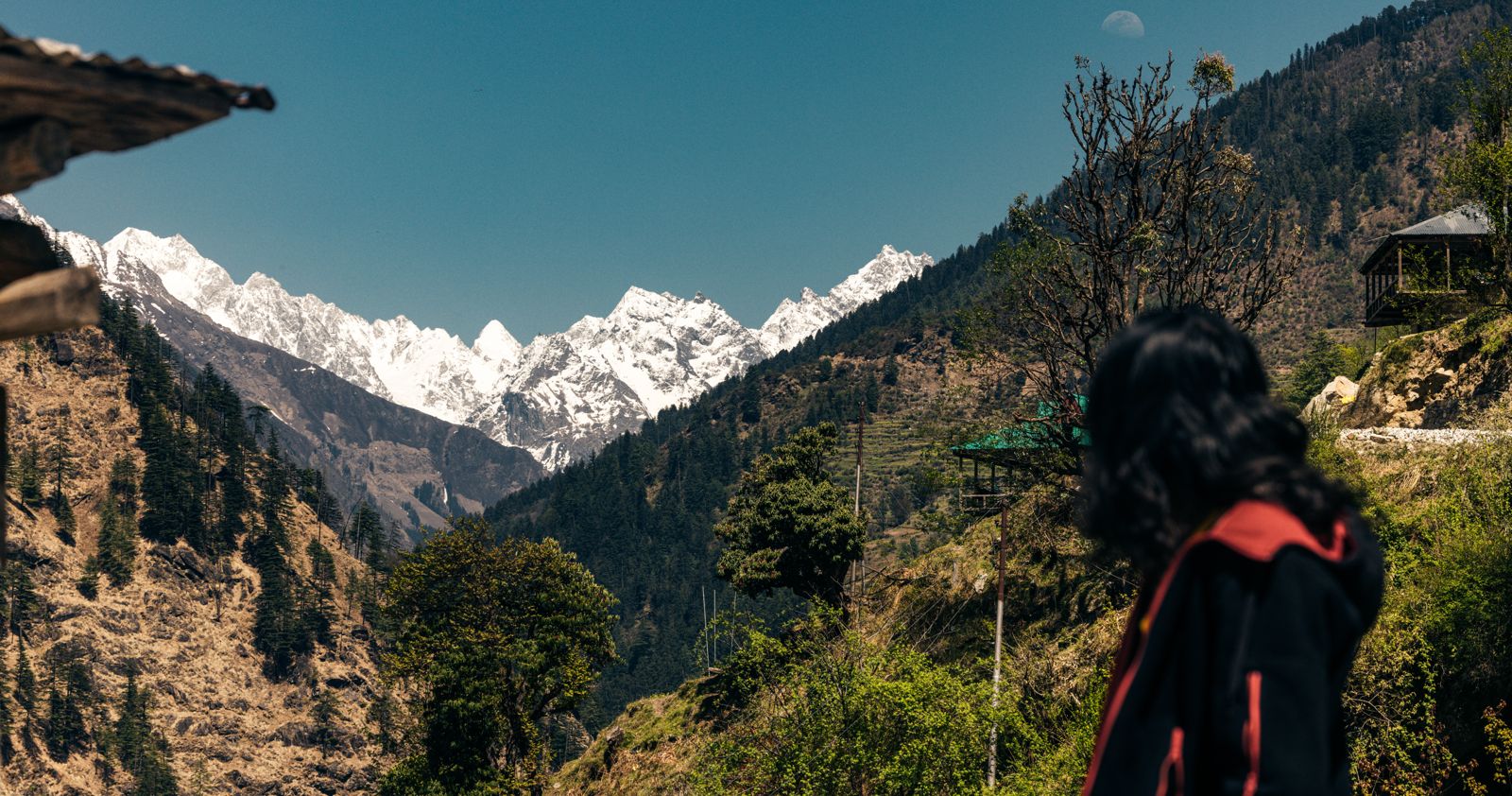
Mt. UT Kangri Peak Expedition
A first 6,000-metre summit in Ladakh
Mt. UT Kangri Peak Expedition, Ladakh(6030m)
Mt. UT Kangri is a high-altitude climb in Ladakh of approximately 6,030–6,070 metres, depending on the summit objective. For well-prepared climbers it is a good introduction to serious Himalayan mountaineering.
From Leh you head into the remote mountains around Rumtse Phu, an area of bare ridges, wide pastures and snow-covered slopes. The expedition combines high-altitude trekking, mountaineering training and a summit attempt. In clear weather the summit has wide views across the surrounding ranges.
It will test your endurance, build your mountain skills and show you what climbing above 6,000 metres involves.
- Expedition Name
- Mt. UT Kangri Peak Expedition
- Duration
- 9 Days, including a buffer day
- Location
- Ladakh, India
- Base Camp
- Rumtse Phu region
- Starting & Ending Point
- Leh
- Summit Altitude
- Approx. 6,030–6,070 m / 19,780–19,915 ft
- Difficulty
- Challenging
- Adventure Type
- High-altitude trekking and mountaineering
- Best Season
- Generally July to September, subject to conditions
- Accommodation
- Hotel in Leh and camping during the expedition
- Nearest Airport
- Kushok Bakula Rimpochee Airport, Leh
- Experience Recommended
- Previous high-altitude trekking experience and good physical fitness
What the expedition involves
1. The high country around Rumtse Phu
The approach to UT Kangri goes into the remote mountains around Rumtse Phu: wide open valleys, colourful mineral-rich slopes, grazing grounds and rough ridgelines. It is a good first look at Ladakh’s Trans-Himalayan terrain.
2. Mountaineering training at base camp
Before the summit attempt, you get practical instruction and go over the essential mountain skills. Depending on route conditions and the expedition plan, this may include equipment familiarisation, crampon and ice-axe technique, rope procedures and moving safely on snow or ice.
3. The summit push
Summit day is the hardest part of the expedition. An early start, a steady pace and careful decisions are essential on the way up. The final route and techniques depend on snow conditions, terrain and the expedition leader’s assessment.
4. The view from above 6,000 metres
If conditions allow you to reach the summit, clear weather can give wide views across the mountain ranges of Ladakh.
Why you'll love it
A 6,000-metre summit objective
Climbing above 6,000 metres in the Himalayas is a physical and mental test.
Remote Ladakh
Travel through remote valleys, rough mountain country and high-altitude pastures, away from busy trekking routes.
Views of the Trans-Himalaya
See the surrounding Trans-Himalayan ranges, weather and conditions permitting.
Learn essential mountaineering skills
Practise with the right climbing equipment and build confidence with guidance from qualified expedition leaders.
Summit day
Summit day means an early start, sustained effort, high altitude and changing mountain conditions.
Camping below the peaks
Nights are spent in remote camps among Ladakh’s bare, high mountains.
A step towards mountaineering
For experienced trekkers who want to move into mountaineering, UT Kangri can be a good place to learn, if you come prepared and climb with proper support.
Day by day
Day 1Arrive in Leh
Arrive in Leh and transfer to your hotel. Settle in, meet your expedition team and rest after travelling. If you feel well, you can take a short, easy walk around the local market.
Keep the day relaxed, drink water regularly and avoid strenuous activity. The expedition starts with proper acclimatisation, so give your body time to adjust to the altitude.
Day 2Acclimatisation in Leh — expedition briefing
A day to acclimatise. Your expedition leaders will explain the route, talk through mountain safety, go over the equipment checklist and explain what lies ahead.
Any sightseeing or activity should be light and suited to how you feel. Acclimatisation is a critical part of preparing for a climb above 6,000 metres; follow your team’s advice and report any symptoms of altitude illness promptly.
Day 3Drive from Leh to Rumtse Phu
After breakfast, drive from Leh towards Rumtse Phu through rough mountain country, past traditional villages and wide valleys.
On arrival, walk a short way to the campsite, depending on the final route and access conditions. Settle in, have a warm meal and get ready for the gradual move higher.
Day 4Trek from Rumtse Phu to Base Camp
Trek to the expedition base camp over open high-altitude ground, with bare slopes and broad valleys around you.
At camp, settle in and check your equipment. Your guide will explain the expedition routine and may arrange a short acclimatisation walk if conditions and the group’s health permit.
Day 5Mountaineering training
Today is for preparation and skills. Under the supervision of qualified mountain professionals, check the equipment you need for the climb and practise moving safely on snow and ice.
Training may include crampon use, ice-axe handling, rope procedures and movement on steep or slippery ground, depending on the route. The team will also assess the weather, snow conditions and readiness for the summit attempt.
Use the day to ask questions, check your equipment and rest well.
Day 6Summit attempt on Mt. UT Kangri
The hardest day of the expedition starts early. Set out with your expedition team on the planned ascent. Snow conditions, the route and the need for rope protection or other mountaineering techniques will decide how the climb goes.
Reaching the summit is the goal, but safety comes first. Your expedition leader will make decisions based on weather, visibility, snow conditions, group health and the time available. If conditions are good and you reach the summit, take a moment to look around before starting down.
Return to base camp for rest and recovery. Summit success cannot be guaranteed, and the team may turn around if conditions become unsafe.
Day 7Return to Rumtse Phu — Drive Back to Leh
After breakfast, pack up camp and walk back to Rumtse Phu. From the roadhead, drive back to Leh.
Once in Leh, rest, have a good meal and look back on the expedition.
Day 8Buffer day for weather, or free day in Leh
This reserve day allows for delays caused by weather, route conditions or anything else unexpected. With a spare day, the team can wait for the mountain and does not have to rush a summit attempt.
If the expedition finishes on schedule and you do not need the day, relax in Leh. You can visit the local market or nearby sights, depending on your energy and travel plans.
Day 9Departure from Leh
After breakfast, transfer to Leh Airport for your onward travel.
The expedition ends in Leh.
Important expedition information
UT Kangri and UT Kangri II are sometimes listed with different summit elevations. The exact peak, route and permit details should be confirmed before booking.
Acclimatisation is essential: UT Kangri is a high-altitude mountaineering objective. Follow the acclimatisation plan and your expedition leader’s instructions throughout the expedition.
Previous experience matters: This expedition is not suitable as a casual trek or for unprepared beginners. Participants should have appropriate fitness, previous high-altitude experience and the skills required for the confirmed route.
Summit success is not guaranteed: Weather, snow conditions, altitude-related symptoms and other mountain hazards may require a change of plan or a turnaround.
Mountaineering permits: The operator must confirm the applicable permits and authorisations for the exact peak and route before departure.
Equipment requirements: Appropriate mountaineering equipment and clothing are essential. The final gear list should be supplied by the expedition operator.
Weather can change rapidly: Expect cold nights, strong winds and potentially challenging snow conditions at higher elevations.
Keep a buffer day: The itinerary includes one reserve day. Additional flexibility may be necessary depending on travel connections and mountain conditions.
Travel arrangements: Consider arriving in Leh with enough time to acclimatise before the expedition and avoid tight onward connections after the scheduled return.
Best time to climb Mt. UT Kangri
The usual summer climbing window is July to September, although exact dates depend on the peak, route, snow conditions and local weather. Conditions at high altitude can remain severe even during summer, and the expedition team should confirm the safest operating window before departure.
Ready to take on UT Kangri?
With careful preparation, experienced leadership and respect for the conditions, UT Kangri is a chance to push your limits in Ladakh’s high mountains.
Have questions about preparation, equipment or the right time to climb? Talk to The Nest expedition team to plan your UT Kangri climb.
Book your expeditionYou might also like
 Expedition
Black Peak Expedition
A 6,387 m climb above the Har Ki Dun valley
 Expedition
Dhumdhar Kandi Pass Trek
A 5,490 m pass from the Tons to the Bhagirathi valley
 Expedition
Dzo Jongo East Expedition
A quiet 6,240 m peak in Ladakh’s Markha Valley