
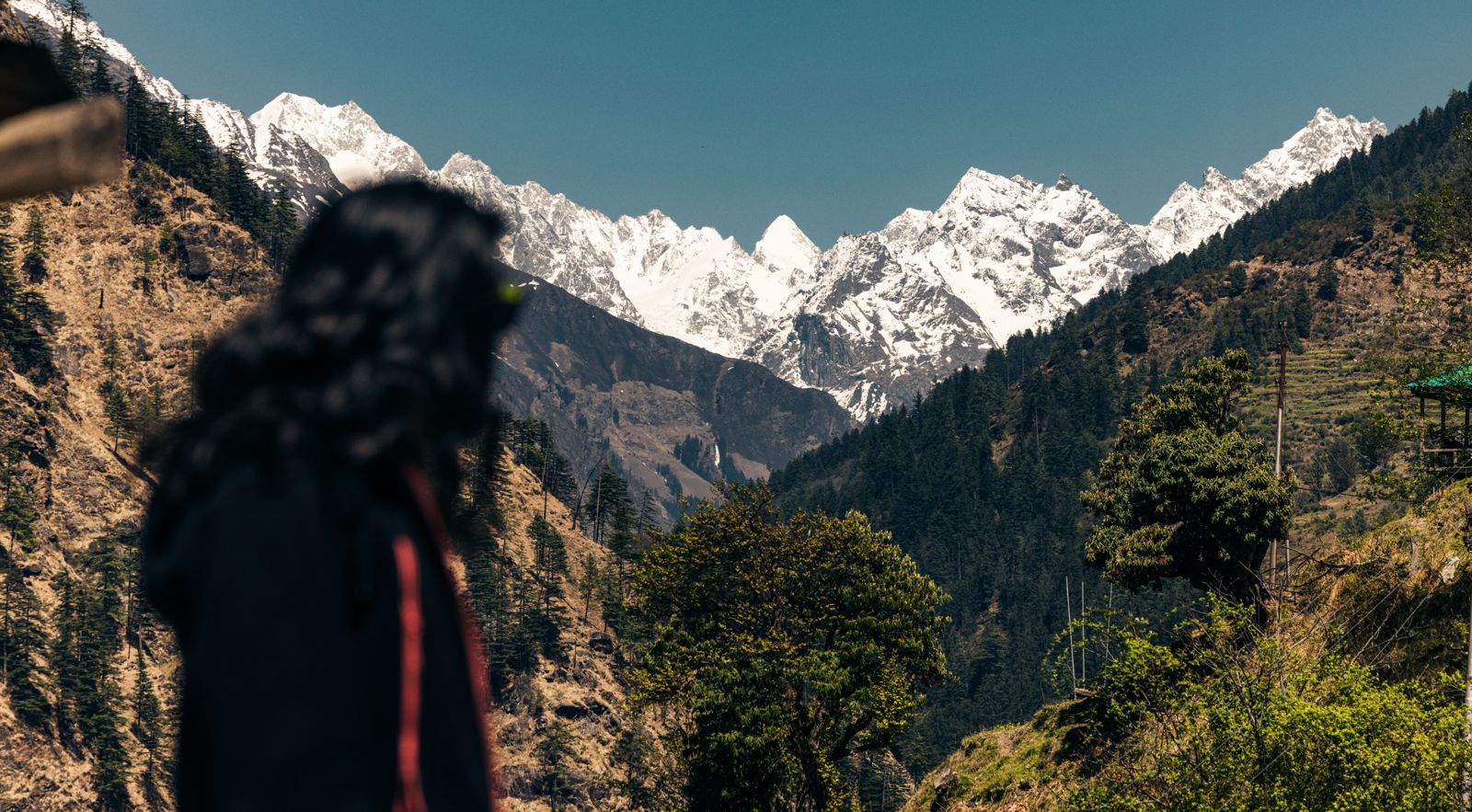
Island Peak Expedition
A 6,189 m climb in Nepal’s Everest region
Island Peak Expedition, Nepal (6,189 m)
Island Peak (Imja Tse) stands at 6,189 metres in Nepal’s Everest region and is one of the country’s most popular introductory high-altitude climbs. The expedition combines a Himalayan trek with a technical summit climb, and suits experienced trekkers taking their first serious step into mountaineering.
It starts in Kathmandu and flies to Lukla, the gateway to the Everest region. From there the trail passes Sherpa settlements, including Phakding, Namche Bazaar, Dingboche and Chhukung, on the way to Island Peak Base Camp.
On the way you walk through alpine forest, glacial valleys and rocky moraines, with views of Everest, Lhotse, Nuptse, Makalu and Ama Dablam.
The summit push is the hardest part: steep snow and ice slopes, climbed with ropes, crampons and ice axes. Acclimatisation days and an extra summit day are built into the itinerary to make the climb safer and give you time to prepare.
- Trek Name
- Island Peak Expedition
- Peak Name
- Island Peak (Imja Tse)
- Duration
- 19 Days
- Adventure
- Mountaineering
- Base Camp
- Kathmandu, Nepal
- Country
- Nepal
- Location
- Everest Region
- Altitude
- 6,189 m / 20,305 ft
- Grade
- Challenging
- Season
- Spring | Autumn
- Accommodation
- Hotels, teahouses and camping
- Trail Type
- Point-to-point trail
- Food
- Three meals a day during the trekking period
- Starting Point
- Kathmandu
What to expect
The route starts on forest trails, along river valleys and through mountain villages. As you gain height, the ground changes to alpine meadows, rocky trails, glacial moraines and exposed mountain slopes.
Temperatures drop a lot higher up, and you can expect snow and ice around the summit. The final ascent is a technical climb on steep ground, using ropes, crampons and ice axes.
This is a demanding expedition. It needs preparation, patience and the ability to adapt when mountain conditions change.
Why you'll love it
An introduction to high-altitude mountaineering
Technical climbing at 6,189 metres. You learn and practise essential techniques with ropes, crampons and ice axes.
Views of the big peaks
See Mount Everest, Lhotse, Nuptse, Makalu and Ama Dablam.
Sherpa villages
Walk through Namche Bazaar, Dingboche and Chhukung, and pass Tengboche Monastery.
Changing terrain
Alpine valleys, glacial moraines and rough mountain ground.
A physical and mental test
Long trekking days, high altitude and a technical summit climb. You need good fitness, endurance and previous high-altitude trekking experience.
A spare summit day
The itinerary includes an extra day for a summit attempt in case weather affects the planned climb.
Fitness and eligibility
Island Peak is a demanding 6,189-metre expedition. You need a strong level of physical fitness, endurance and previous high-altitude trekking experience.
Previous experience: you must have completed a trek at 5,000 metres or above.
Medical documents
If you have already done the same route, or a trek at a similar or higher altitude, you may be exempt from the fitness criteria. The medical certificate and indemnity bond are still mandatory.
If you do not meet the fitness criteria, or do not submit proof of fitness, you must submit the prescribed medical certificate and indemnity bond.
All documents must be completed, signed and sealed, and submitted before you join the expedition.
Insurance
Trek and travel insurance is not included in the package. Arrange suitable insurance before you leave.
Your policy should cover:
High-altitude trekking and mountaineering.
Medical emergencies.
Helicopter evacuation at high altitude.
Emergency treatment and hospitalisation.
Trip interruption and cancellation.
Make sure the policy explicitly covers the altitude and technical nature of the Island Peak Expedition.
Safety and risk
The route crosses remote, high-altitude mountain terrain. You may face altitude illness, unpredictable weather, snow and ice, and technical climbing.
Experienced guides and first-aid support are part of the expedition. You are still responsible for your own health, for following your guides’ instructions and for keeping to all safety protocols.
Reaching the summit cannot be guaranteed. The final decision depends on weather, route conditions and the judgement of the expedition leaders.
Do’s and don’ts
Do:
Follow a strict no-litter policy and carry all waste back.
Wear suitable trekking and mountaineering clothing.
Keep your backpack light and carry only what you need.
Stay with the group and follow your trek leader’s instructions.
Tell your guide straight away if you feel unwell.
Respect local communities, wildlife and the natural environment.
Don’t:
Go off from the group without telling your trek leader.
Disturb wildlife or damage the natural surroundings.
Play loud music or disturb the quiet of the mountains.
Smoke, drink alcohol or use intoxicants during the expedition.
Ignore signs of altitude sickness or other health problems.
Day by day
Day 1Arrive in Kathmandu
Arrive in Kathmandu and transfer to your hotel. The rest of the day is yours to settle in and look around the city at your own pace.
Day 2Kathmandu: preparation and sightseeing
Visit Kathmandu’s heritage sites, including the UNESCO World Heritage Sites of Swayambhunath and Boudhanath. Do your final gear checks and get ready for the expedition.
Day 3Fly to Lukla → Trek to Phakding
Fly to Lukla and start walking through villages, river valleys and forest trails to Phakding.
Day 4Phakding → Namche Bazaar
Follow the Dudh Koshi River, crossing suspension bridges and climbing gradually through pine forest. You get your first views of Mount Everest before reaching Namche Bazaar, the gateway to the Everest region.
Day 5Acclimatisation at Namche Bazaar
A day to get used to the altitude. You can take an optional hike towards Syangboche or the Everest View Hotel, then look around Namche’s markets and museums.
Day 6Namche Bazaar → Deboche
Descend to the Dudh Koshi River and cross suspension bridges, then climb towards Tengboche Monastery. Continue on to Deboche.
Day 7Deboche → Dingboche
The trail passes mountain settlements and alpine country. You get views of Ama Dablam as you go through Pangboche village on the way to Dingboche.
Day 8Dingboche → Chhukung
Go further into the alpine country of the Imja Valley. Follow glacial valleys and rocky trails, with views of Lhotse and Nuptse, to Chhukung.
Day 9Acclimatisation at Chhukung
Another day to let your body adjust. Optional hikes towards Chhukung Ri (5,550 m) or nearby ridges help you prepare for the climb.
Day 10Chhukung → Island Peak Base Camp
Leave Chhukung for Island Peak Base Camp. The trail crosses rocky ground and glacial moraines as you get closer to the mountain. Use the day to prepare for the technical climb ahead.
Day 11Base Camp → Island Peak High Camp
A short, steep climb to High Camp over rocky steps and scree slopes, with views of the peaks around you. Prepare your equipment and rest before the summit attempt.
Day 12Summit Island Peak → Base Camp
The hardest day of the expedition starts early. Climb towards the summit using ropes, crampons and other technical equipment, guided by your climbing team.
Reach the summit at 6,189 metres and look out over the Himalaya before starting down. Return to Base Camp or Chhukung, depending on the expedition arrangements and conditions.
Day 13Additional summit attempt day
A spare day in case bad weather or mountain conditions affect the planned summit attempt. If you have already reached the summit, the expedition team will decide how to use the day.
Day 14Trek to Pangboche
Start the return, descending through alpine valleys to Pangboche, with views of Everest and Lhotse along the way.
Day 15Pangboche → Monjo
Walk back the way you came, through Namche Bazaar, and continue to the quieter village of Monjo.
Day 16Monjo → Lukla
The last day of trekking takes you back to Lukla, where you can celebrate the climb with your team.
Day 17Fly to Kathmandu
Take a morning flight from Lukla to Kathmandu and transfer to your hotel. The rest of the day is free.
Day 18Free day in Kathmandu
A free day in Kathmandu. You can walk the streets of Thamel, visit local sights or shop for souvenirs.
Day 19Departure from Kathmandu
Transfer to the airport for your onward journey. The expedition ends here.
What's included
Included
- 4 nights in a hotel in Kathmandu on a twin-sharing basis, with breakfast
- 1 night in a deluxe hotel or resort in Ramechhap
- 12 nights in trekking teahouses on a twin-sharing basis
- 2 nights in camping tents during the climbing section
- Breakfast, lunch and dinner during the trekking period
- Three rounds of tea or coffee daily during the trekking period
- Meals selected from the available menu, as specified in the package
- Private airport transfers for arrival and departure
- Private Kathmandu–Ramechhap–Kathmandu transfers
- Domestic flights between Ramechhap and Lukla, both ways
- Domestic airport taxes at Kathmandu and Lukla
- Experienced, English-speaking, government-licensed climbing guide
- One professional climbing guide per climber
- Porter support up to 30 kg per member to Base Camp and back
- Guide and porter accommodation, meals, transport, salary and applicable insurance
- Trek Captain support and expedition coordination
- Climbing ropes and technical climbing equipment
- Ice screws, ice anchors and rock pitons, as specified in the package
- Emergency oxygen cylinder with mask and regulator (additional charges apply if used)
- First-aid medical kit carried by the guide
- Everest National Park entry fee
- Island Peak climbing permit
- Garbage deposit
- Island Peak climbing documentation formalities
- Applicable government and local taxes and service charges
Not included
- Trek and travel insurance
- Personal expenses not specified in the inclusions
- Any services, equipment or expenses not explicitly listed as included
Important expedition information
The summit attempt depends on weather, snow conditions and the judgement of the climbing team.
An additional summit day is included as a weather contingency.
You must have completed a previous trek at 5,000 metres or above.
Suitable high-altitude and mountaineering insurance is mandatory.
All participants must submit the required medical and fitness documents.
Flights between Ramechhap and Lukla may be affected by the weather.
Best time to climb Island Peak
The usual climbing seasons are:
Conditions vary, and summit attempts always depend on weather and mountain conditions.
Planning to climb Island Peak?
Contact The Nest, Sankri to discuss expedition dates, eligibility, preparation and availability.
Book your expeditionYou might also like
 Expedition
Black Peak Expedition
A 6,387 m climb above the Har Ki Dun valley
 Expedition
Dhumdhar Kandi Pass Trek
A 5,490 m pass from the Tons to the Bhagirathi valley
 Expedition
Mt. UT Kangri Peak Expedition
A first 6,000-metre summit in Ladakh